2050917 – Wednesday – Beijing
After breakfast at the hotel, we met Thomas at the lobby at 9:00 AM. He introduced us to Mr. Li, our driver. The car was a large and comfortable sedan. It had two flags, one featuring the sickle and hammer, and the other the Chinese flag.
Thomas is a very soft-spoken, very nice gentleman. He has graduated from a college with a degree in Tourism. He has a 15-year-old daughter, and his wife works as an accountant. I tried recording some of his presentations on the cell phone, but the noise of the car, I think, suppressed his soft voice.
While Thomas talked to us about Chinese history and culture, Mr. Li did a bad job of driving, as he drove erratically, got honked at several times, and only towards the end started wearing his glasses.
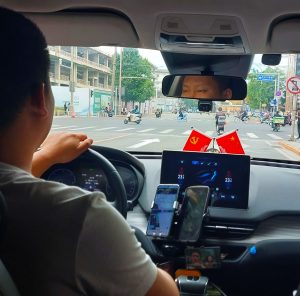
I love the flags on our dashboard!
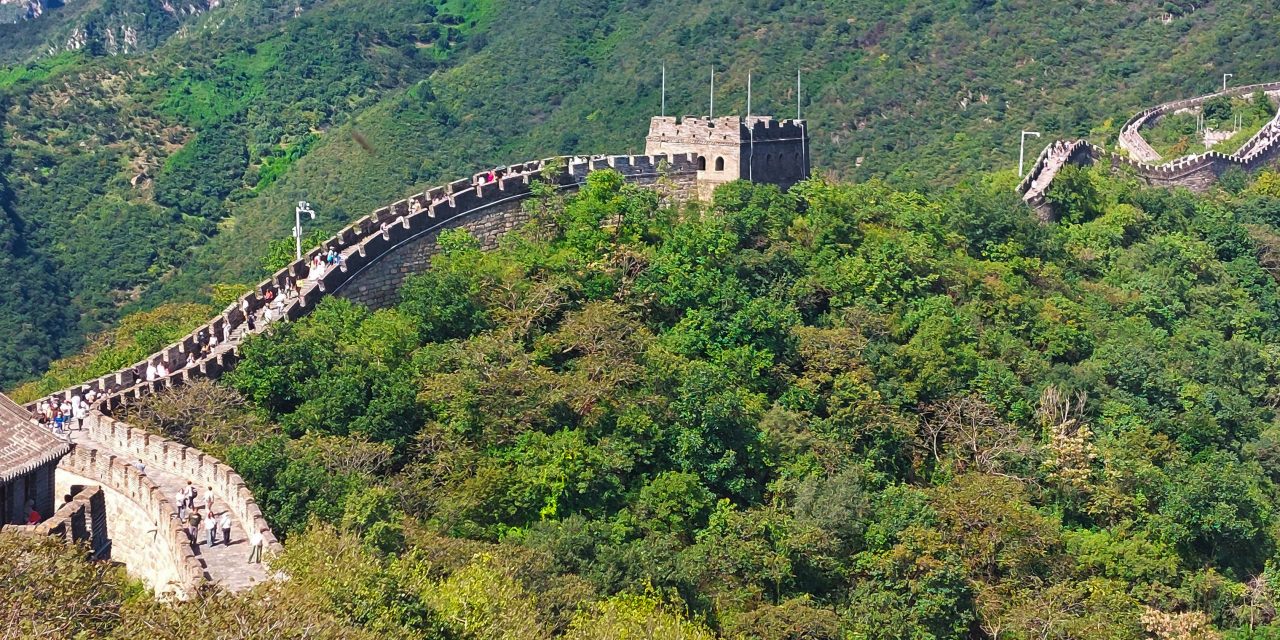
Thomas suggested we change the itinerary and execute the next day’s first, to which we agreed. So, we would see the Great Wall of China first. We drove about two hours to the Mutianyu section of the Great Wall. After parking, we took a shuttle bus and then walked a long, uphill route to the cable car, which took us to the top. A short uphill walk took us to the plaza, where we entered the wall. We were asked several times to present our passports to gain entry. Thomas has his ways to cut through the lines, which prevented us from waiting hours to get in.
The climb was highly challenging for both me and Gulden. With my heavy bag, carrying the Nikon D810 camera and the 35-300mm lens, along with a bottle of water, it became increasingly heavier with each step.
At the plaza, we told him that we could walk on our own and he could rest. He was happy to come, but we felt it would be more comfortable for us to have the freedom to enjoy the historic barrier. At 11:30, we decided to meet in two hours, at 1:30 at the plaza.
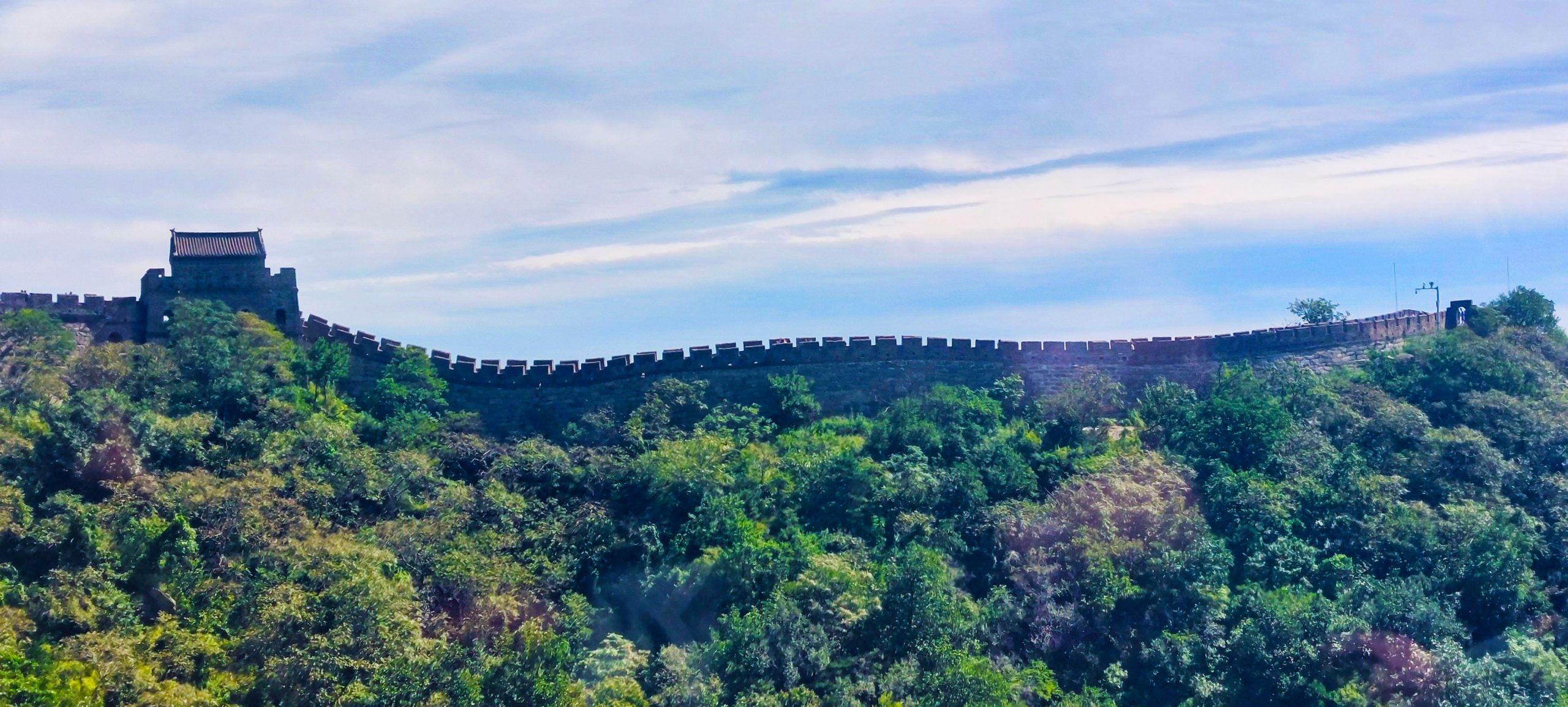
Beijing, First glimpse of the Mutianyu Great Wall
The first glimpse of the Great Wall of China
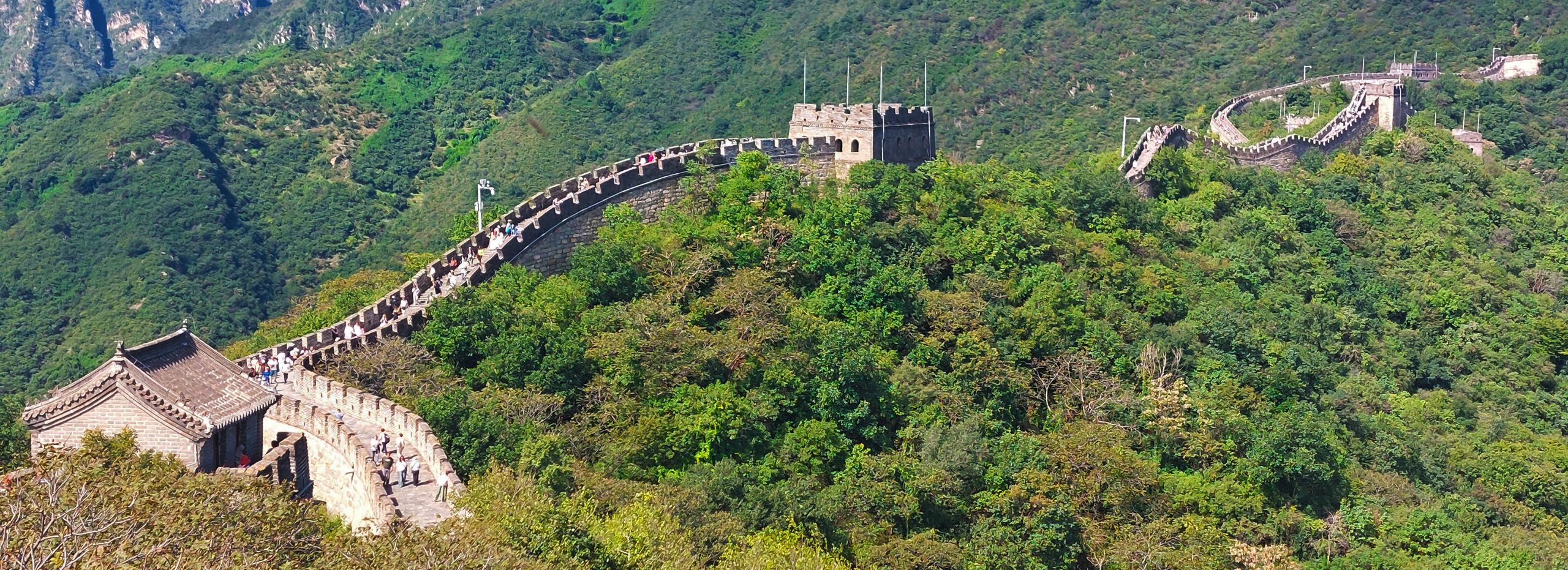
Beijing, Mutianyu Great Wall
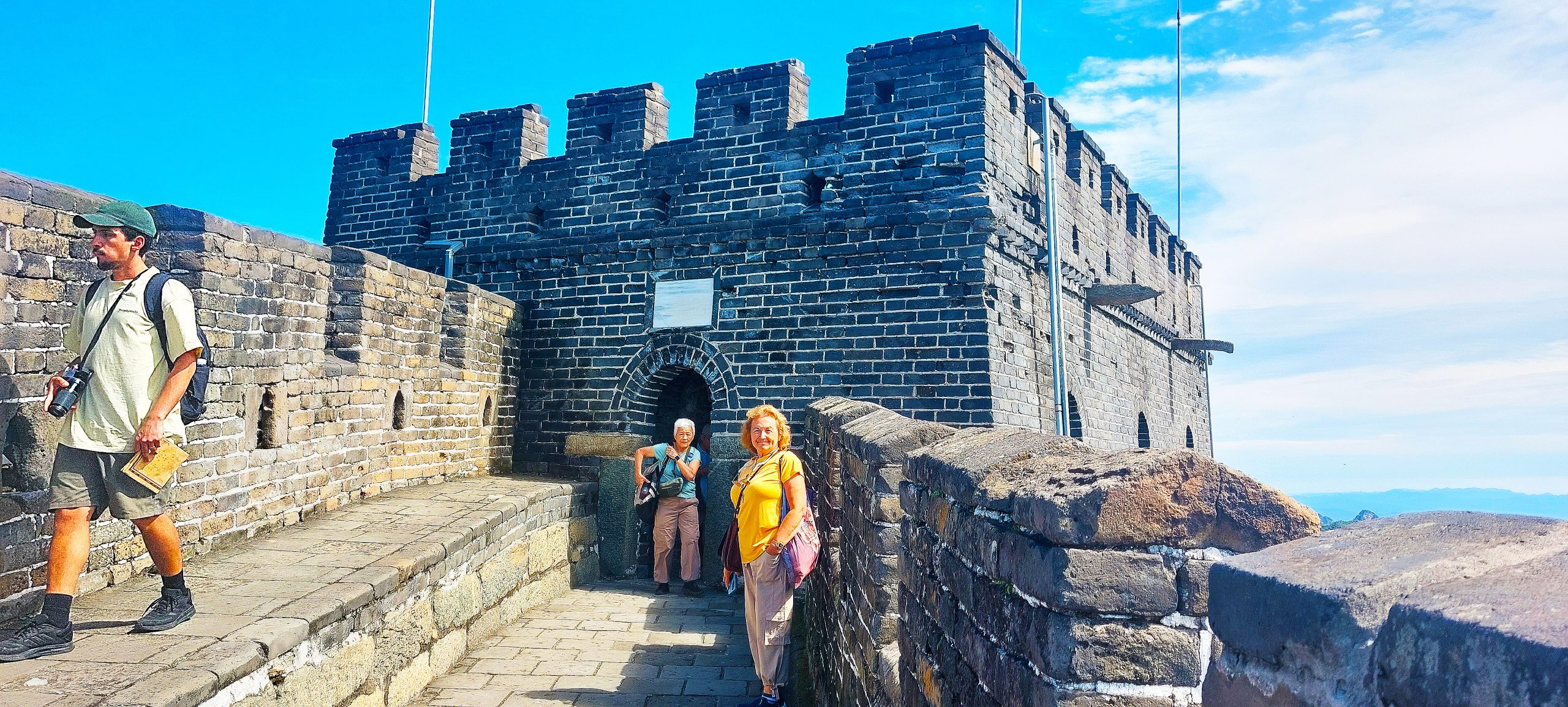
Beijing, Mutianyu Great Wall
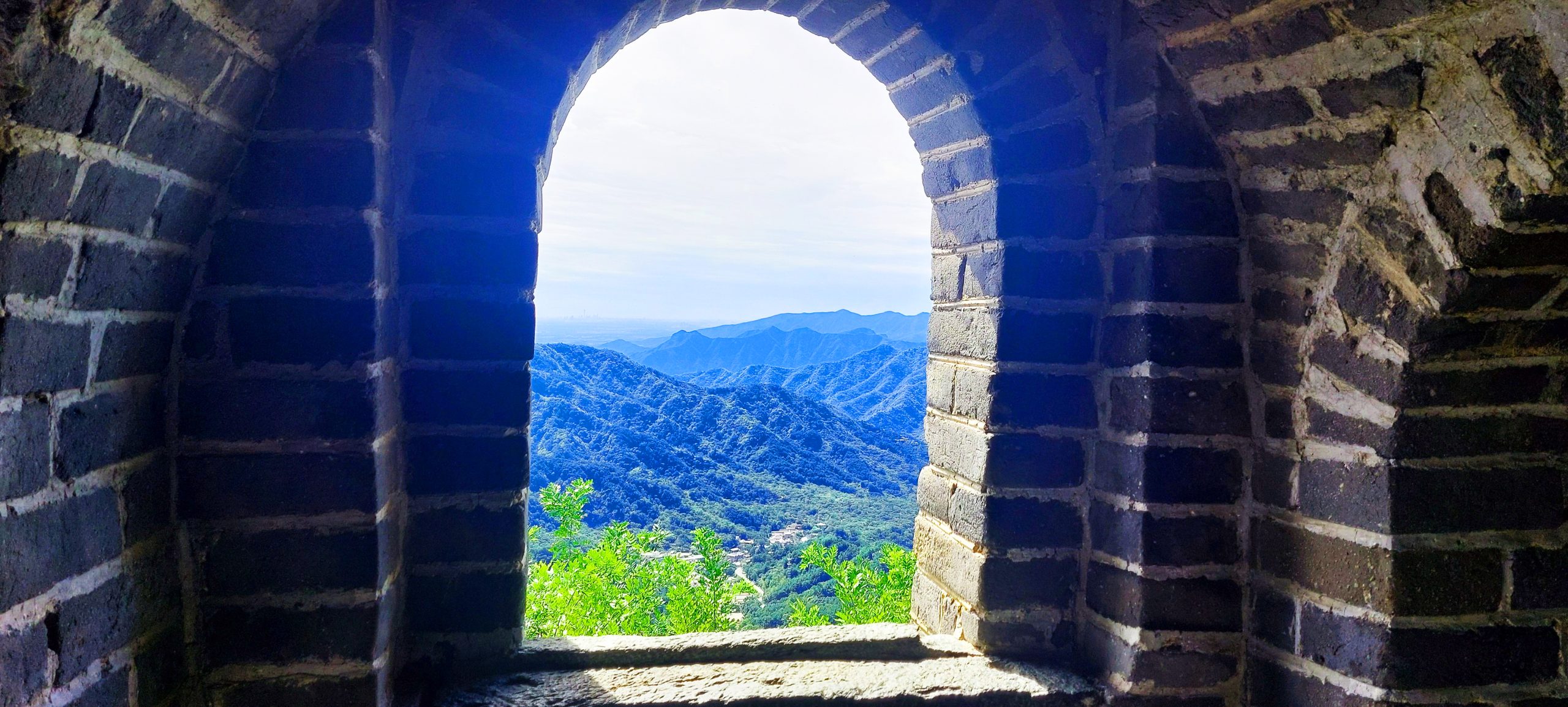
Beijing, Mutianyu Great Wall
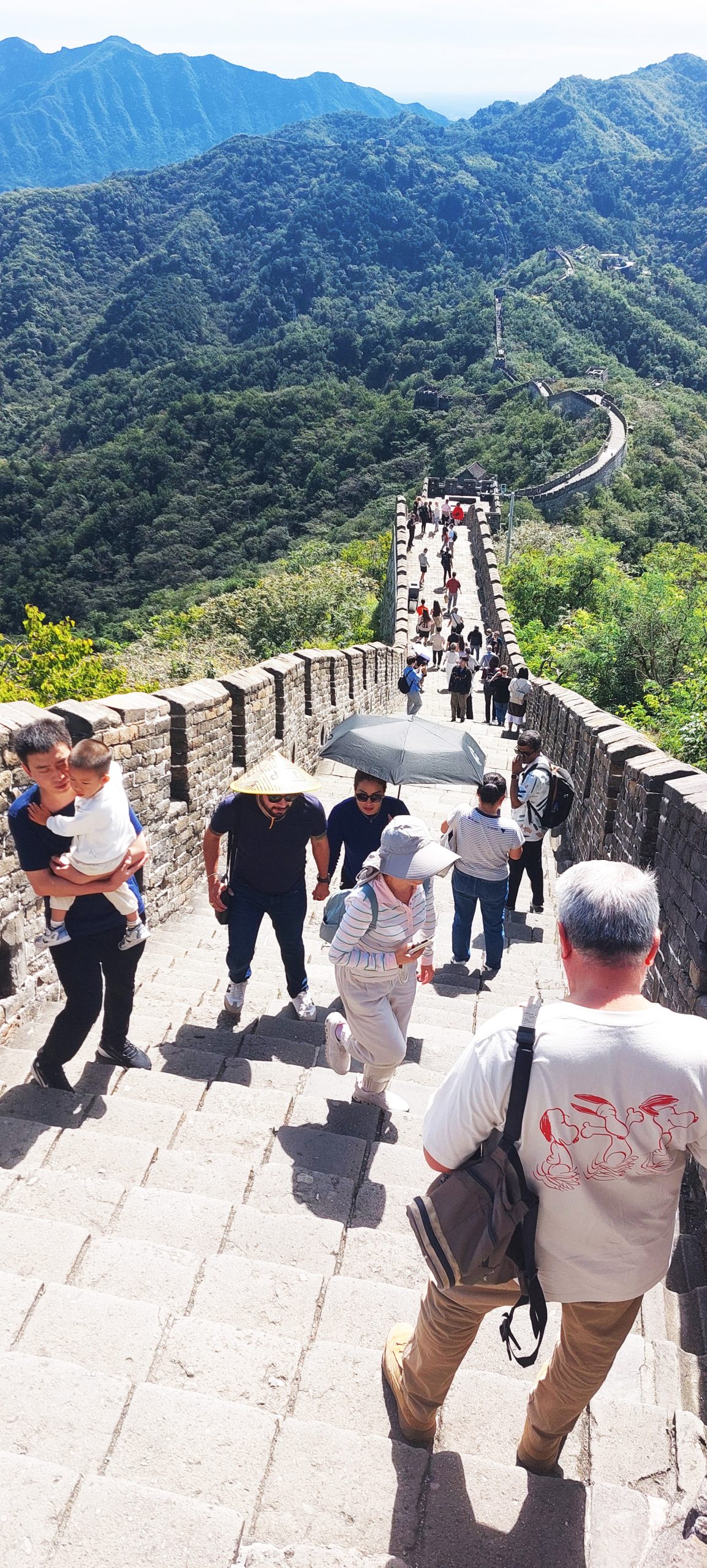
Beijing, Mutianyu Great Wall with tourists
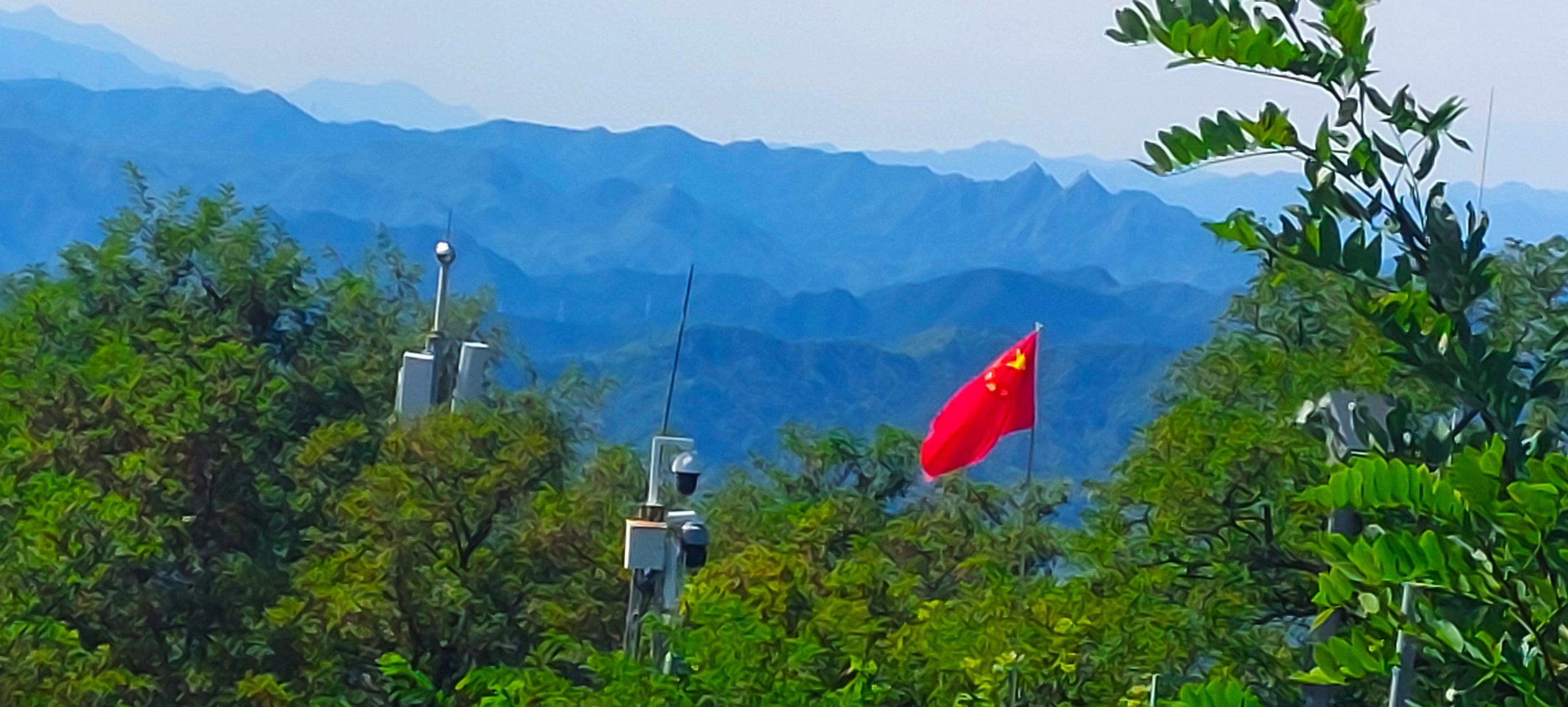
Beijing, Mutianyu Great Wall Flag and cameras
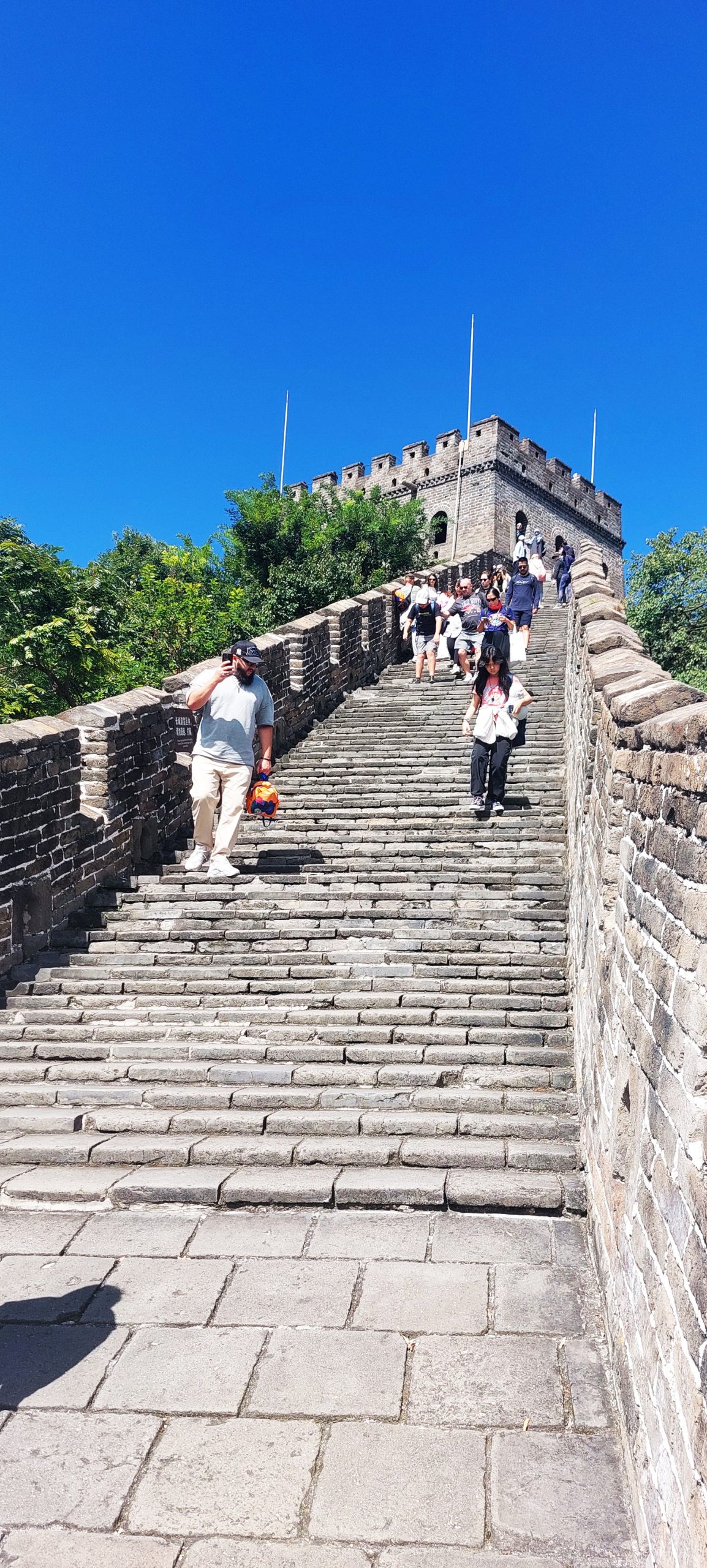
Beijing Mutianyu Great Wall
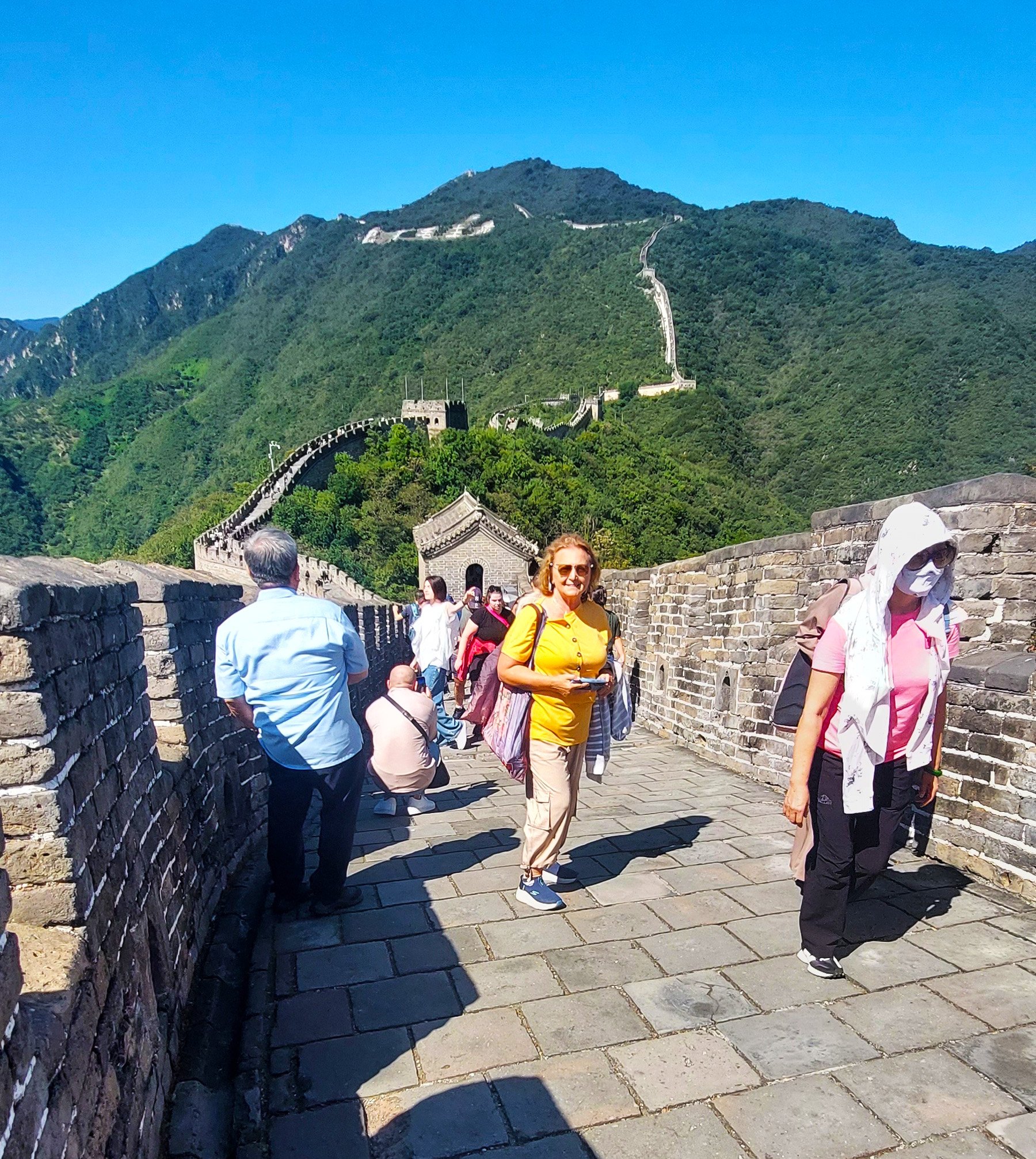
Beijing, Mutianyu Great Wall, Gulden
When I pulled out my Nikon to take photographs, I discovered that the filter I had kept on the lens was smashed and broken. I was hoping it didn’t damage the lens. The lens looked okay, but no matter how much I tried to remove the filter, I just couldn’t. It was stuck to the lens, meaning I couldn’t take any photographs with my camera. I still had the phone, but…. I gave up on the first part of the walk. Towards the end, I tried to spend more time loosening it so I could remove it when sitting down, and, after a while, was able to get the filter out. That allowed me to take a few pictures. At least I can still use my camera together with my cell phone. Later, I replaced the broken filter with the one I had on my extra wide-angle lens (luckily, they had the same filter size).
We could see Beijing in the distance (70 km?) in the hazy horizon. I remember being here in 2016 and taking pictures of the same city skyline, although it was much hazier then. The wall also appeared much more crowded than it did in 2016. Chinese children and groups seemed the most energetic and excited. Waving flags and singing, I am assuming, national songs, they march with twinkle in their eyes, proud, living their ancestors’ glory. Later, I was told that they just listened to upbeat songs to keep them walking in a tempo and keep them going.
We came back to the plaza a little early and waited for Thomas. Descending the same way, we took the cable car and walked through cafes and shops to meet our driver. We were exhausted, especially from climbing the hill.
Some groups were overly excited with large flags and singing nationalist songs; they were celebrating one of the oldest and hardest accomplishments of humanity, created by their ancestors.
Nationalist excitement
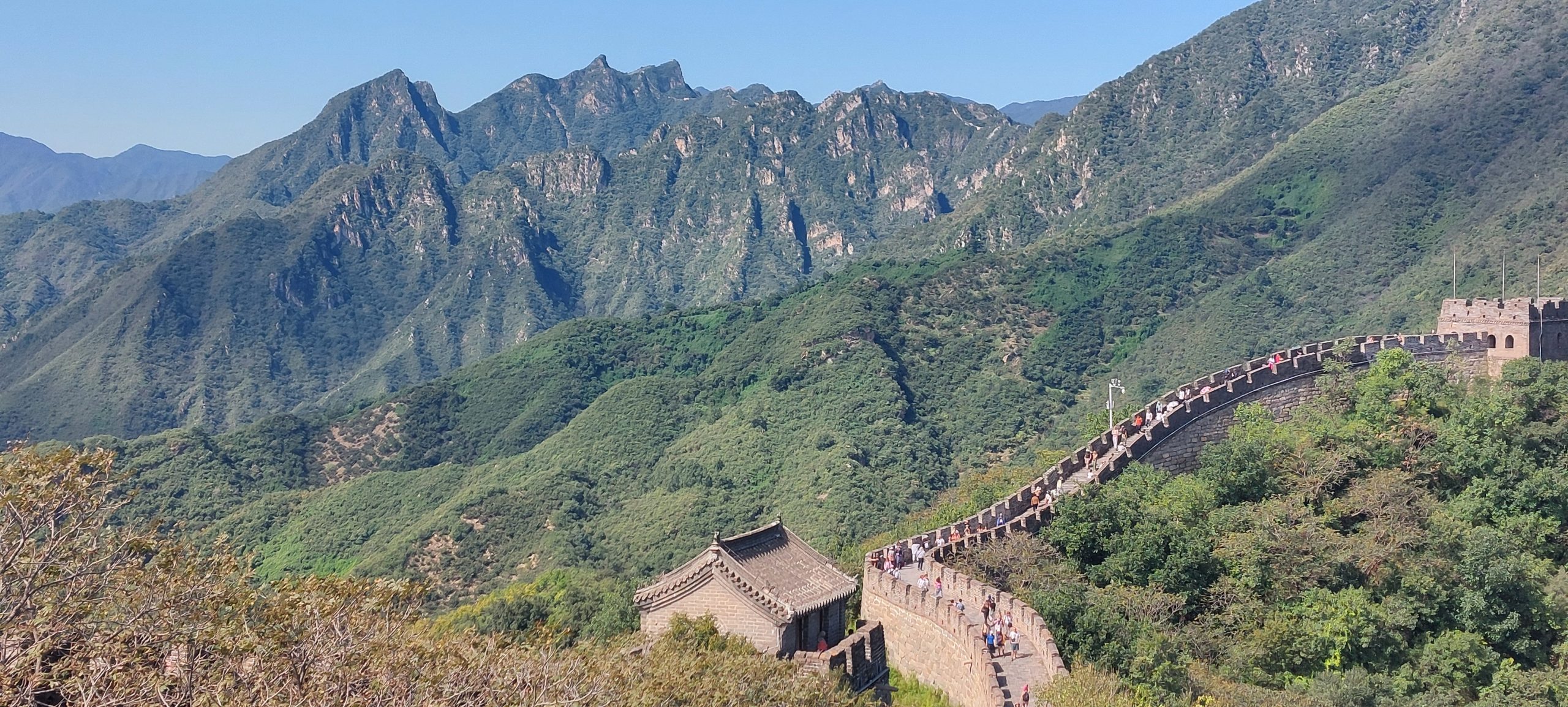
The Great Wall of China
Great Wall of China
It is hard to imagine that the Great Wall of China was built over 2,000 years ago! It was not built as one structure, but rather, parts of it were constructed by different dynasties and kings to protect their cities from mostly northern neighboring nomadic tribes. However, many parts of the wall were also built for protection against the neighboring independent kingdoms.
The first parts of the Wall were built in the 7th century BCE.
Between 221 and 206 BCE, during the Qin Dynasty, the first Chinese emperor, Qin Shi Huang, initiated the construction of a single, continuous wall by connecting the existing walls. Qin Shi Huang became the emperor by defeating the seven kingdoms that were warring with each other and uniting the land.
However, the best-preserved parts of the wall were built during the Ming dynasty, spanning from the 14th to the 17th centuries.
Innumerable people were mainly used to build the wall. Some estimates put that figure at over a million. It is estimated that over 300,000 lost their lives during the construction. They were buried inside the walls.
The wall is over 13,000 miles in length. It serves as a symbol of China’s power and ability to defend itself, as well as a demonstration of its resilience in overcoming challenges by doing whatever it takes.
Many watchtowers along the wall maintained communication with each other using smoke signals, which involved burning wolf excrement, lanterns, and beacon fires.
Initially, the wall was constructed using compacted ground; however, for added strength, rice and crushed animal bones were later used as a substitute for cement. Granite, limestone, and bricks were used for a stronger wall.