
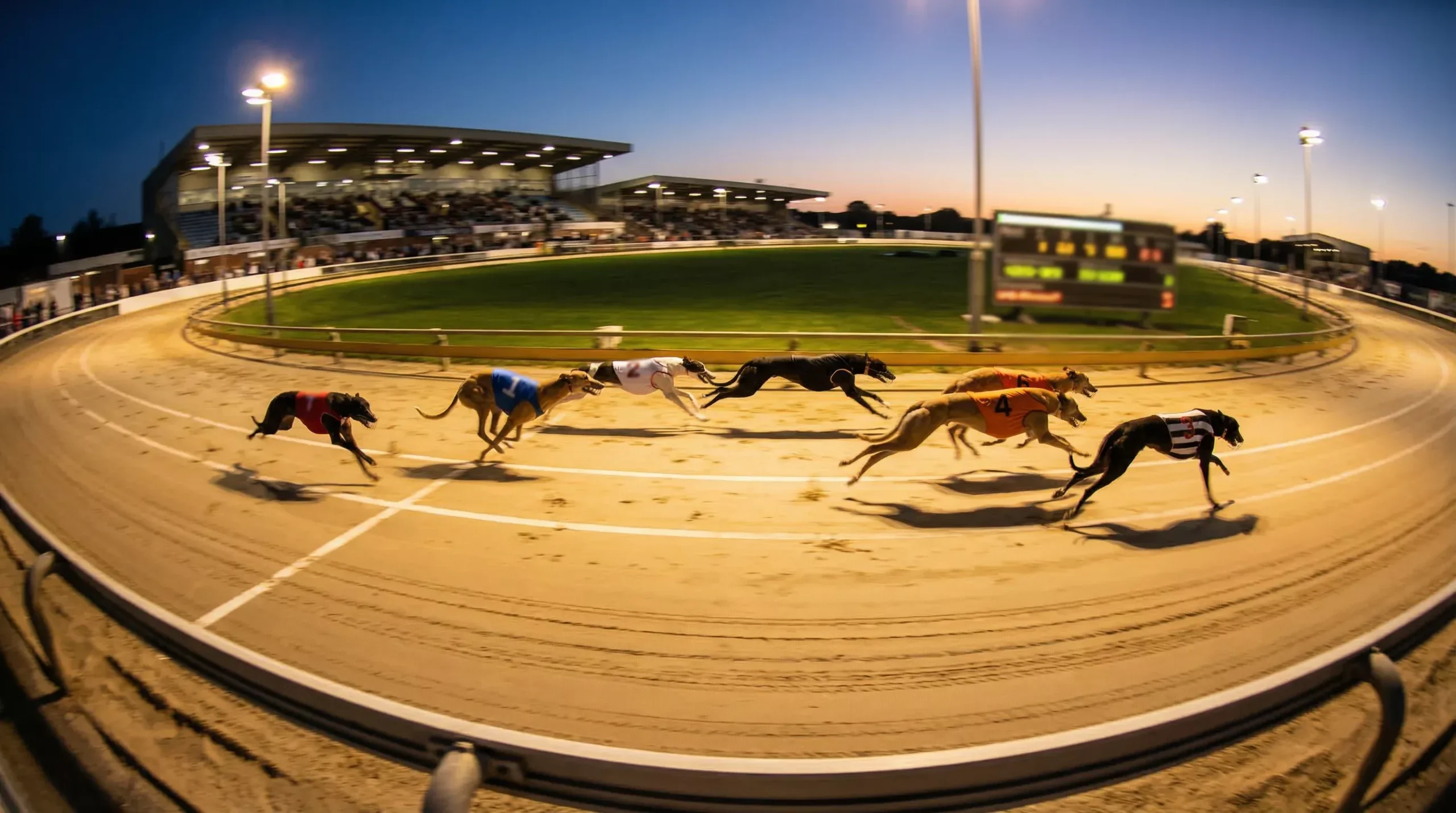
The Current State of Greyhound Racing in the UK: A Concern for Enthusiasts
The world of greyhound racing in the UK is currently navigating tumultuous waters. Once a prominent and beloved sport, factors such as animal welfare concerns, changing attitudes toward gambling, and regulatory challenges have cast a shadow over the future of this traditional pastime. For more information on greyhounds, enthusiasts can visit UK Greyhound Racing Not on GamStop whippetgrey.co.uk.
A Brief History of Greyhound Racing in the UK
Greyhound racing has a storied history in the United Kingdom, dating back to the early 20th century when it gained popularity as a legitimate spectator sport. Initially, it was a low-cost entertainment option for the masses, characterized by its thrilling races and social atmosphere. Major tracks sprang up across the country, and greyhound racing became a staple of British sporting life.
Current Challenges Facing the Sport
Today, however, the greyhound racing industry in the UK is facing a multitude of challenges that could threaten its existence. One of the most pressing issues is the ongoing scrutiny regarding animal welfare. As public awareness of our treatment of animals has grown, greyhound racing has come under increasing fire for incidents of neglect, injury, and even death of racing dogs. Campaigns advocating for better treatment and rehoming practices for retired racers have brought this issue to the forefront, leading to a decline in public support for the sport.
Animal Welfare Standards
Regulatory bodies such as the Greyhound Board of Great Britain (GBGB) claim to have instituted measures to improve welfare standards, including stricter regulations on breeding, training, and treatment of racing dogs. These measures, however, are frequently criticized for not going far enough. Animal welfare organizations argue that unless significant reforms are implemented, the inherent risks of racing dogs will continue to place them in harm’s way.
Changing Attitudes Towards Gambling
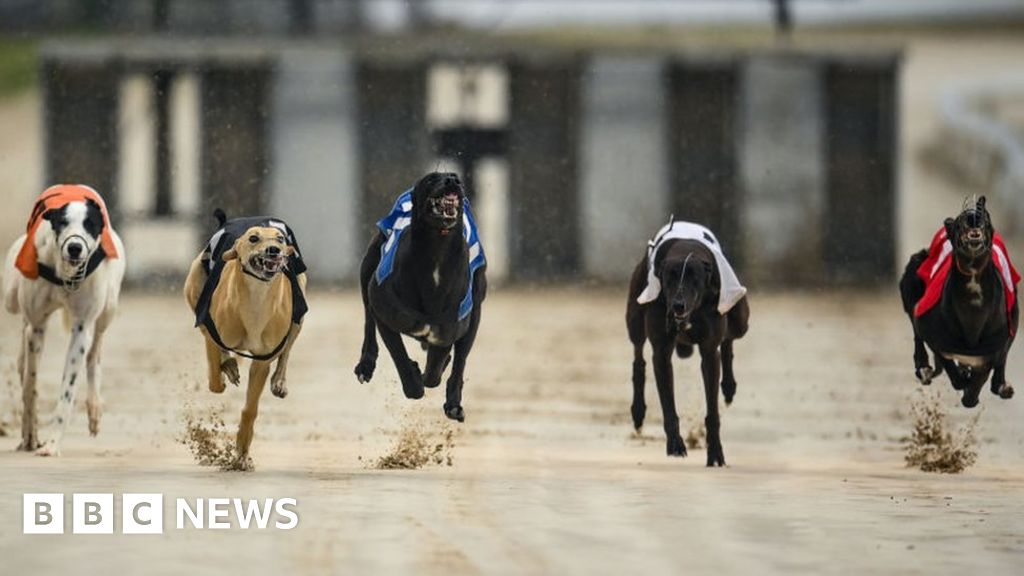
In addition to welfare concerns, changing societal attitudes towards gambling are also affecting the greyhound racing industry. With the rise of online gambling and the focus on more accessible, fast-paced gaming options, traditional betting on greyhound races has waned. This shift is compounded by stricter regulations surrounding gambling advertising, which has made it more difficult for racing venues to attract new customers. As a result, revenue for many tracks has significantly declined, leading to closures and a reduction in the number of races held.
The Impact of COVID-19
The COVID-19 pandemic has exacerbated problems for the UK greyhound racing industry. Tracks were forced to close during lockdowns, leading to financial strains and an increase in the number of dogs in need of rehoming. The return to racing has not seen the same enthusiasm as before the pandemic, with many fans citing safety concerns or a lack of engagement with the sport.
Future Directions and Hope for the Sport
Despite these challenges, there are still enthusiasts and stakeholders in the greyhound racing community who are determined to find solutions and reinvigorate interest in the sport. Some tracks are exploring innovative approaches to enhance the spectator experience, such as offering family-friendly events, music festivals, and unique promotions to attract a broader audience.
Community Support and Engagement
Building community support will be essential for the survival of greyhound racing. Many advocates are calling for greater transparency regarding the treatment of racing dogs, advocating for best practices in care, and supporting measures that promote the responsible adoption of retired racers. Engaging local communities in these efforts could help reshape the narrative surrounding greyhound racing and foster a more supportive environment.
Strengthening Regulations
Furthermore, strengthening regulations regarding animal welfare is vital. The introduction of more rigorous standards and oversight could help alleviate public concerns. Lobbying for improved guidelines could elevate the sport’s image and ensure a better quality of life for racing dogs.
Conclusion
The future of greyhound racing in the UK hangs in the balance as various factors threaten the sport’s long-term viability. To secure its future, stakeholders must address pressing issues related to animal welfare, adapt to changing societal attitudes towards gambling, and find innovative ways to engage with the public. By working collaboratively, the racing community can strive towards a brighter and more sustainable future for both the sport and the dogs it celebrates.

