2050916 – Tuesday – Beijing
This time, we made it to breakfast. The entire large restaurant area is full. Hard to find a table. Primarily foreign tourists, they are loud and appear to be in a hurry. The hotel seems to be full of groups and foreign tourists. The reception always has a long line.
After breakfast, we began walking to Jingshan Park (44 Jingshan West Street, Xicheng District, Beijing, China 100009). It took us more than an hour to walk. Passing the corner of the Forbidden Palace moat. Turning left midway towards the south entry gate of the park from the corner, it was a surprise to see such a beautiful, dense, green, well-kept, and clean place. Because we had passports, we entered without paying at all.
We rested on lovely, clean benches. After walking for a while, we climbed “uphill” to where the Wanchun Pavilion is situated. It was a challenging and steep climb, but very well worth the effort. To our surprise, many elderly Chinese are actively enjoying the park and its surrounding hills. Despite all physical limitations, they seemed determined to climb the steep steps to the very top.
After exiting the park, we asked a taxi driver waiting outside to take us to the Drum Tower. He said 100 yuen, which we agreed. Later, we learned the distance was only around 13 Yuens.
Once we got to the Drum Tower, Gulden decided not to climb since the steps were high, very steep, and long, with no place to stop to catch your breath. She waited at the outside café while I ventured to climb. This was also worth the time and effort.
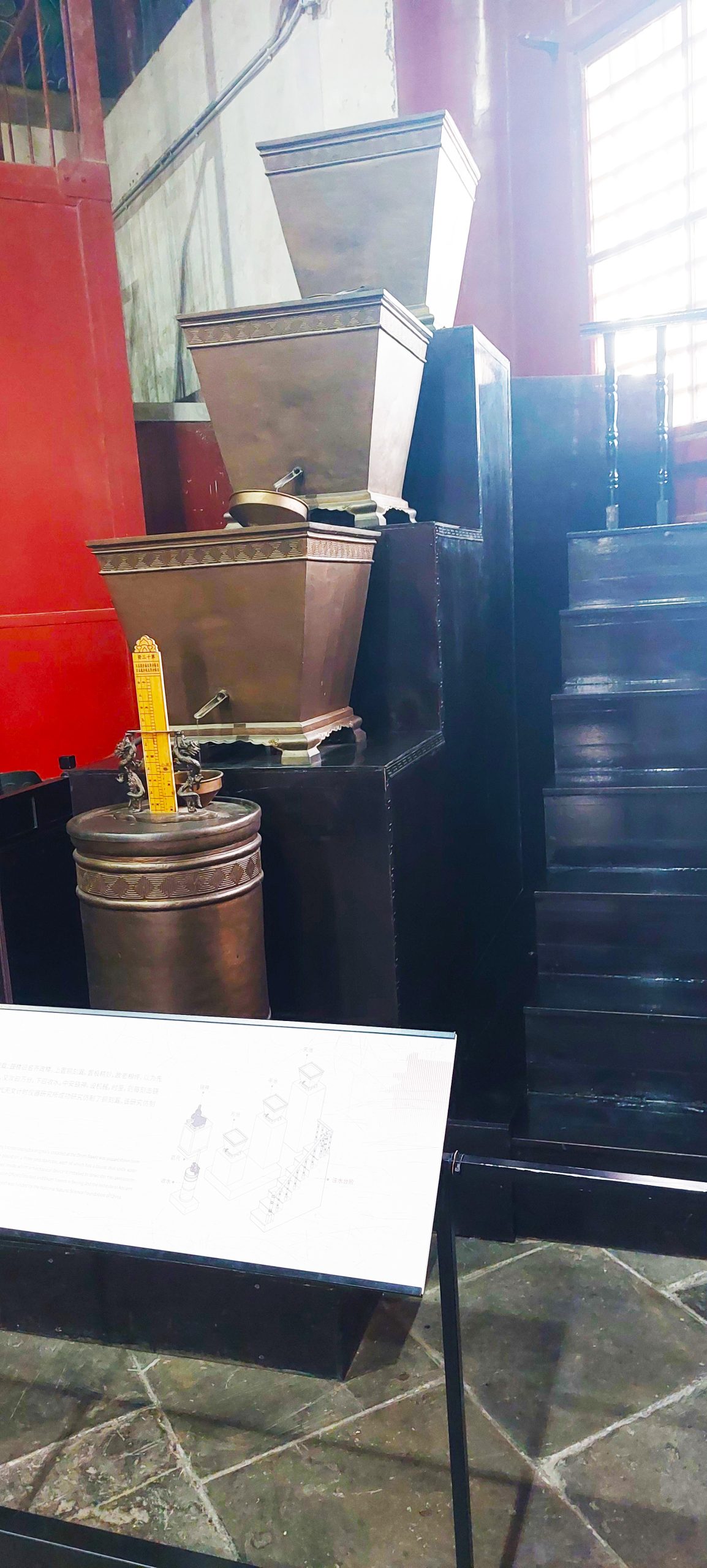
20250916_153834 Beijing, Drum Tower, Time Keeping water device_AY01
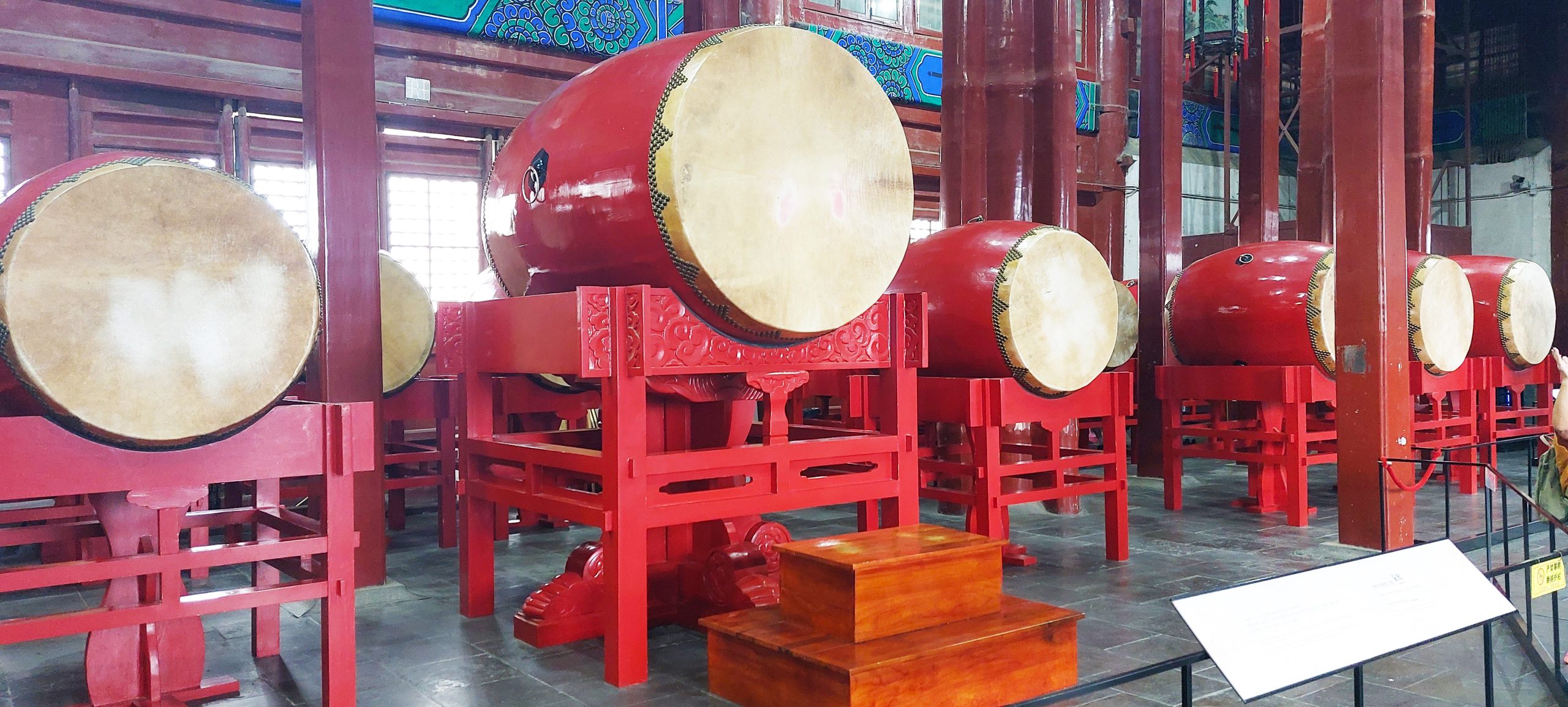
Beijing, Drum Tower, Main Drum replica and other drums
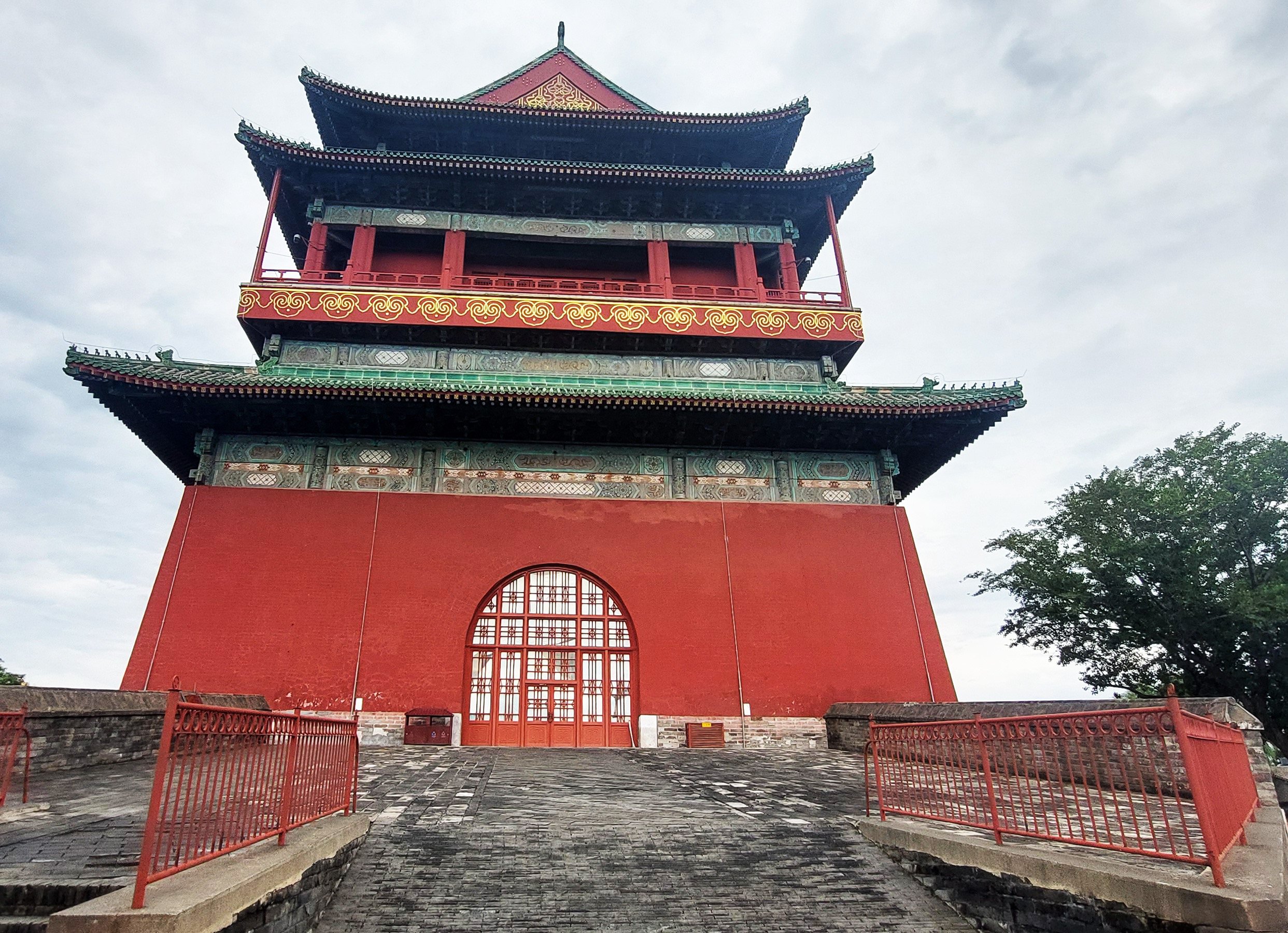
Beijing, Drum Tower
The time was kept here with drums signaling the time.
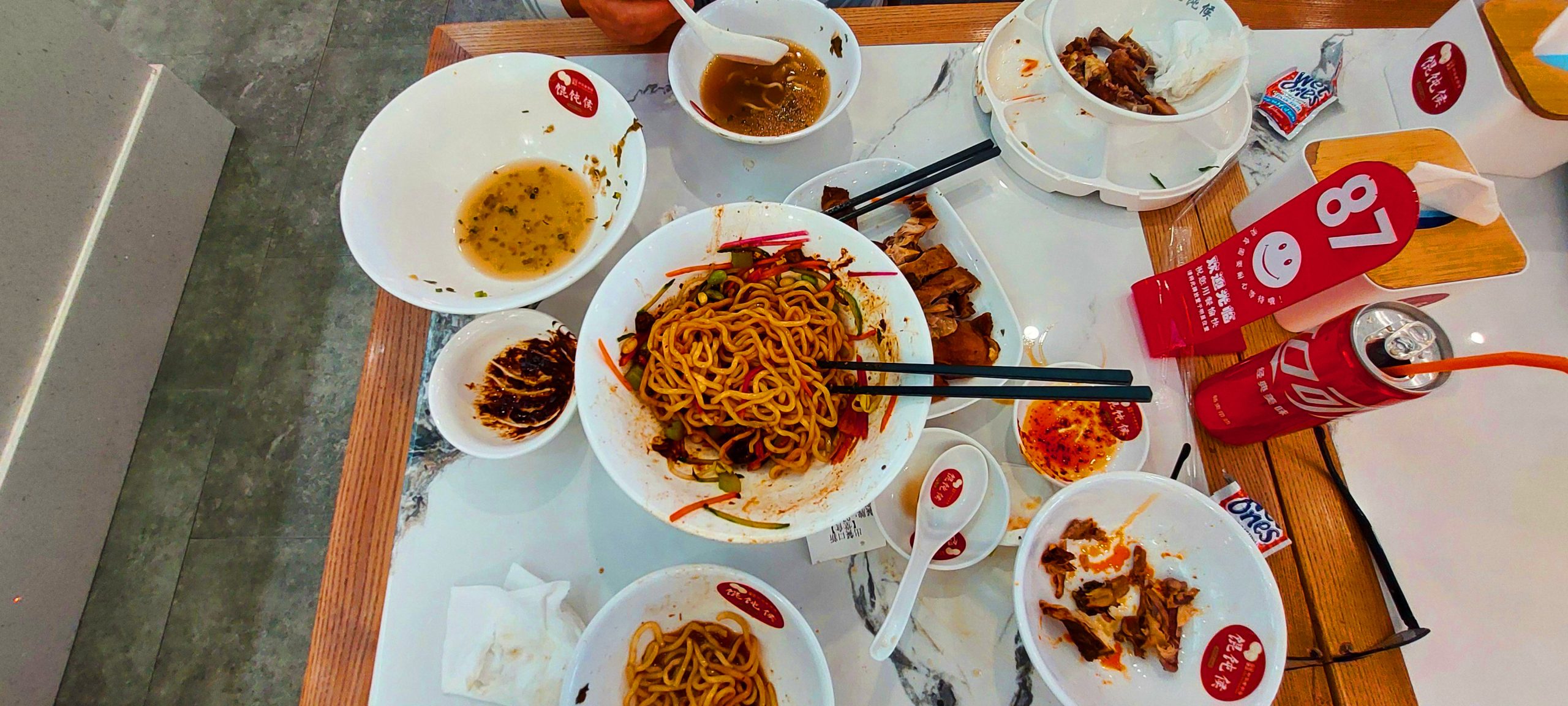
Beijing, Dinner near Drum Tower
It was apparent how important knowing the time was to the Chinese. For 600 years, they have withstood fires and lightning disasters to tell the standard Beijing Time. They let the people know the time in the Yuan, Ming, and Qing dynasties. Beijing, becoming the center of urban planning, social management, and a calendar system relying on time being told from these towers. For six centuries, drums and bells sent the information of sunrise and sunset to the people around.
There are replicas of the time-measuring clocks, including the water clock, that the Chinese used for tracking time. The Chinese also used incense timers, candles, and oil lamps to carefully delineate the time for the drums to signal the passage of time.
There was a Chinese mother with her 6–to 7-year-old son, carefully investigating the time-keeping machines. He bombarded her with questions, and she carefully read and described the functioning of the incense-burning and water-dripping timing devices. He did not understand the mechanics of water. Without getting frustrated, his mother explained the mechanics in detail, showing him diagrams to complete the picture of how the whole thing worked. He stared at the apparatus in silence for a long time, apparently trying to digest the entire thing. She described the device’s operation time and time again. Once he started to understand, and his mother explained the details in detail, showing him diagrams to complete the picture of how the whole thing worked, he stared at the apparatus in silence for a long time, apparently trying to digest the entire mechanism
We ate at a place close to the Drum Tower. We ordered noodles with all the relishes, sour wonton soup, and roasted chicken. It took many minutes to correspond and choose the food with body language and the translator app on the phone.
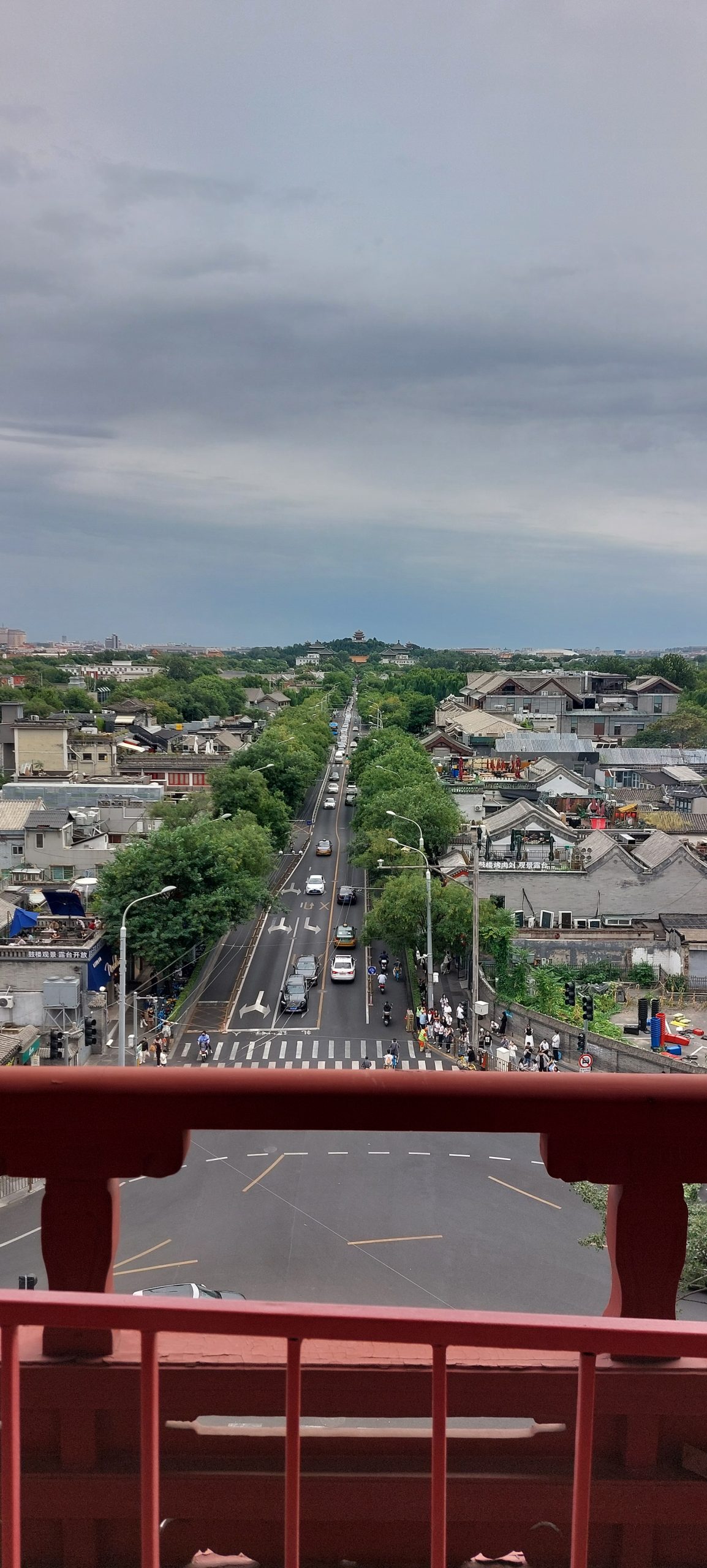
Looking at Jingshan Park and Wanchun Pavilion from the Drum Tower.
Drum and Bell Towers
Drum Tower and the Bell Tower Ancient Chinese kept time by drumming and knelling bells all day. The buildings were acoustically designed to transmit sound, allowing people to hear the bells and drums and determine the time. The buildings were constructed in 1272 when the Yuan Dynasty (built by Kublai Han, the first nomadic emperor in the history of China as a unified national entity) was in power. Beijing (formerly known as Dadu city) became the capital of the dynasty. After the construction, however, both towers were burned down shortly thereafter. Then they burned again after being rebuilt. When Emperor Yongle moved the capital of his empire to Dadu (Beijing) in the Ming Dynasty, both towers were rebuilt. Another fire destroyed them both afterwards. Reconstructed again, the Drum Tower was struck by lightning and had to be rebuilt in 1539. Another fire destroyed the Bell Tower in 1745, but it was rebuilt with bricks in 1747 to prevent further fires. Drum Tower was also redone in 1800 and 1894. When the Republic of China was established in 1912 by Sun Yat-sen after the 1911 Revolution that overthrew the Qing Dynasty, the Drum Tower was renovated, cleaned, and remodeled, and it was opened as a cinema in 1925. After the 1949 Revolution, the towers became the Heritage Sites. The towers were again repaired in 2021 and opened to visitation in their present form. In the Qing Dynasty, the night was divided into 5 “watches.” When these watches (gengs-gongs) changed first, the drum would beat, then the bells would chime. For the last, fifth change (sunset), the drums would beat 108 times, followed by the bells with the same number of chimes. There were 25 drums on the original Drum Tower. One of the drums was the main one, representing the day. The other 24 smaller drums represented the 24 solar cycles. These were: Winter Solstice, Minor Cold, Major Cold, Start of Spring, Rain Water, Awakening of Insects, Spring Equinox, Clear and Bright, Grain Rain, Start of Summer, Grain Buds, Grain in Ear, Summer Solstice, Minor Heat, Major Heat, Start of Autumn, End of Heat, White Dew, Autumn Equinox, Cold Dew, Frost’s Descent, Start of Winter, Minor Snow, and Major Snow. |